Làm Chủ Calligraphy Hiện Đại
Tháng 1, 2025
8 phút đọc
Hướng dẫn
Calligraphy không chỉ là viết chữ đẹp — đó là nghệ thuật đưa cảm xúc
vào từng nét bút, biến ngôn ngữ thành thứ bạn có thể nhìn thấy và cảm nhận.
Phần 1 — Calligraphy là gì?
Calligraphy (thư pháp) là nghệ thuật tạo ra các ký tự và chữ viết
đẹp bằng công cụ viết — bút lông, bút ngòi nhọn, hoặc bút brush marker.
Không giống chữ viết tay thông thường, calligraphy chú trọng vào nhịp điệu,
tỷ lệ và sự hòa hợp của từng nét.
Nghệ thuật này đã tồn tại hàng nghìn năm ở cả phương Đông lẫn phương Tây.
Ngày nay, calligraphy hiện đại kết hợp các phong cách cổ điển với cảm hứng
đương đại, tạo ra những tác phẩm vừa thanh lịch vừa đầy cá tính.

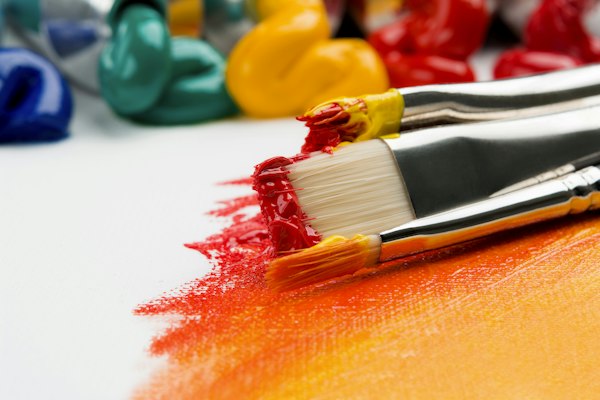
Dụng cụ cơ bản của người học calligraphy: bút brush, mực và giấy luyện tập.
Ba phong cách calligraphy phổ biến
1. Copperplate / Pointed Nib — Dùng ngòi bút nhọn và mực lỏng. Nét chữ mảnh mượt, thanh thoát với sự tương phản rõ giữa nét đậm và nét nhẹ. Thường thấy trong thư pháp đám cưới và thiệp mời sang trọng.
2. Brush Lettering — Dùng bút brush hoặc bút lông. Phong cách hiện đại, phóng khoáng và dễ học hơn. Rất phổ biến trên mạng xã hội và trong các dự án thiết kế sáng tạo.
3. Gothic / Blackletter — Kiểu chữ cổ điển châu Âu với các nét thẳng, góc cạnh. Mang không khí cổ kính, thường dùng trong thiết kế logo hoặc nghệ thuật trang trí.
"Calligraphy dạy cho bạn sự kiên nhẫn. Mỗi nét bút là một lần thực hành hiện diện — không thể vội, không thể ép."
Phần 2 — Sách luyện tập Calligraphy
Dù bạn mới bắt đầu hay muốn nâng cao kỹ năng, những cuốn sách dưới đây đều là nguồn tài nguyên quý giá — được cộng đồng calligraphy quốc tế tin dùng và giới thiệu rộng rãi.
Dành cho người mới bắt đầu
The Complete Book of Calligraphy & Lettering
Cari Ferraro et al.
Tổng hợp 4 phong cách cơ bản trong một cuốn sách. Lý tưởng cho người mới muốn khám phá nhiều hướng trước khi chọn phong cách riêng.

Modern Calligraphy
Molly Suber Thorpe
Hướng dẫn chi tiết kỹ thuật copperplate và pointed pen cho người mới. Có bài tập thực hành theo từng bước, dễ theo dõi.

Hand Lettering for Everyone
Cristina Vanko
Phong cách nhẹ nhàng, vui tươi. Tập trung vào brush lettering và hand lettering trang trí — phù hợp ai muốn tự học tại nhà.
Dành cho người muốn nâng cao
Spencerian Penmanship
Platt Rogers Spencer
Kinh điển của nghệ thuật viết chữ Mỹ thế kỷ 19. Nền tảng bắt buộc cho ai muốn thành thạo copperplate và pointed pen thực sự.

Mastering Copperplate Calligraphy
Eleanor Winters
Sách giáo khoa toàn diện về copperplate. Bao gồm lý thuyết nét chữ, phân tích hình dạng chữ cái, và các bài luyện tập chuyên sâu.
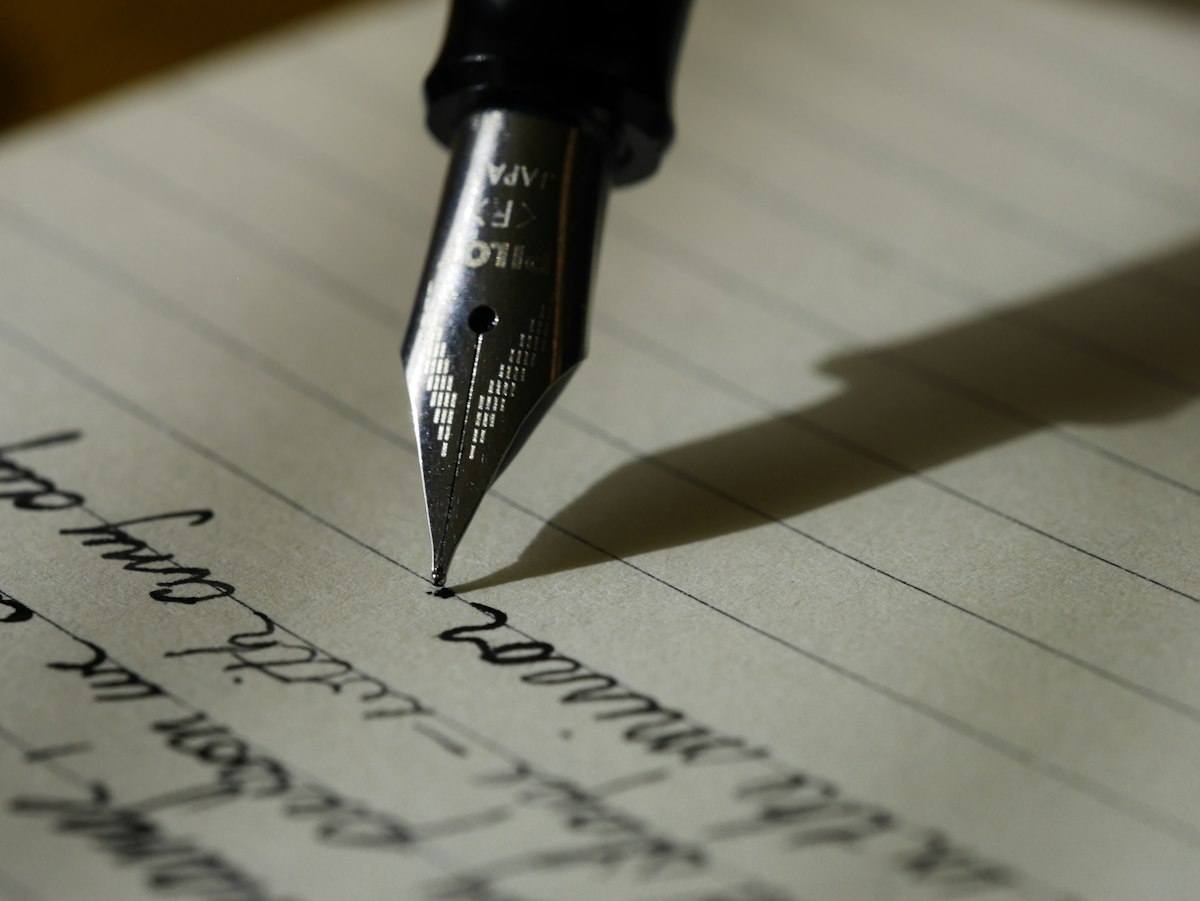
Luyện tập đều đặn mỗi ngày — dù chỉ 15 phút — là chìa khóa để tiến bộ trong calligraphy.
Lời khuyên khi bắt đầu
Đừng vội mua quá nhiều dụng cụ khi mới học. Hãy bắt đầu với một bút brush cỡ vừa, mực đen cơ bản và giấy kẻ ô. Luyện tập các nét cơ bản (upstroke, downstroke, oval) trước khi ghép thành chữ cái hoàn chỉnh.
Sự tiến bộ trong calligraphy không tuyến tính — có những ngày bạn viết đẹp bất ngờ, có những ngày mọi thứ đều lệch. Hãy tin vào quá trình và quan trọng nhất là tận hưởng từng nét bút.
Muốn học calligraphy trực tiếp?
byVycalligraphy tổ chức workshop cho mọi cấp độ — từ người mới hoàn toàn đến người muốn nâng cao kỹ thuật.
Đăng ký tham gia
Mastering Modern Calligraphy
January, 2025
8 min read
Guide
Calligraphy is more than beautiful writing — it is the art of pouring emotion
into every stroke, turning language into something you can see and feel.
Part 1 — What is Calligraphy?
Calligraphy is the art of creating beautiful, expressive letterforms
using writing tools — brush pens, pointed nibs, or brush markers. Unlike everyday
handwriting, calligraphy focuses on rhythm, proportion, and the harmony of each stroke.
This art form has existed for thousands of years in both Eastern and Western traditions.
Today, modern calligraphy blends classical styles with contemporary inspiration,
producing works that are both elegant and full of personality.
The basic toolkit for a calligraphy student: a brush pen, ink, and practice paper.
Three popular calligraphy styles
1. Copperplate / Pointed Nib — Uses a flexible pointed nib and liquid ink. The letterforms are smooth and delicate, with a clear contrast between thick and thin strokes. Commonly seen in wedding calligraphy and luxury invitations.
2. Brush Lettering — Uses a brush pen or soft-bristle brush. A modern, expressive style that is easier to learn. Very popular on social media and in creative design projects.
3. Gothic / Blackletter — A classic European style with straight lines and sharp angles. Carries an antique atmosphere; often used in logo design and decorative artwork.
"Calligraphy teaches you patience. Every stroke is a moment of mindfulness — it cannot be rushed or forced."
Part 2 — Calligraphy Practice Books
Whether you are just starting out or looking to sharpen your skills, the books below are invaluable resources — trusted and recommended widely by the international calligraphy community.
For beginners
The Complete Book of Calligraphy & Lettering
Cari Ferraro et al.
Covers 4 foundational styles in one volume. Ideal for beginners who want to explore multiple directions before committing to a personal style.
Modern Calligraphy
Molly Suber Thorpe
A thorough guide to copperplate and pointed pen technique for newcomers. Step-by-step exercises make it easy to follow along at your own pace.
Hand Lettering for Everyone
Cristina Vanko
Light and fun in tone. Focuses on brush lettering and decorative hand lettering — perfect for self-study at home without special tools.
For those advancing their skills
Spencerian Penmanship
Platt Rogers Spencer
A 19th-century American penmanship classic. Essential reading for anyone who wants to truly master copperplate and pointed-pen scripts.
Mastering Copperplate Calligraphy
Eleanor Winters
A comprehensive textbook on copperplate. Covers stroke theory, letterform analysis, and in-depth exercises for the serious student.
Consistent daily practice — even just 15 minutes — is the key to progress in calligraphy.
Tips for getting started
Resist the urge to buy too many tools when you first begin. Start with a medium brush pen, basic black ink, and grid practice paper. Master the foundational strokes (upstroke, downstroke, oval) before combining them into full letters.
Progress in calligraphy is non-linear — some days your letters will surprise you, others everything will feel off. Trust the process, and above all, enjoy every stroke.
Want to learn calligraphy in person?
byVycalligraphy hosts workshops for all levels — from complete beginners to those looking to refine their technique.
Register Now